
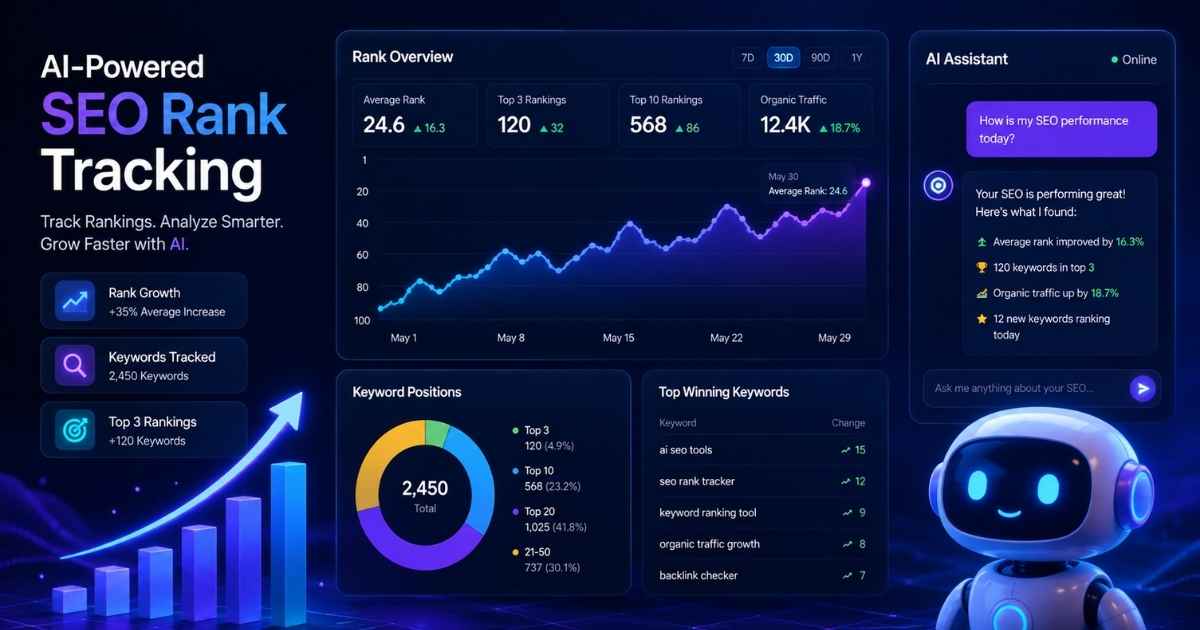
The best Claude SEO rank tracking tools do not track a fixed ranking list. They run your buyers’ real questions through Claude, record whether your brand is mentioned or cited, and show how that picture changes over time. Before buying any of them, check one thing first: whether Claude is actually included on the plan you can afford. Several vendors gate it behind their top tier, and that single detail causes most wasted subscriptions in this category.
This guide fixes the previous version’s two defects: it promised seven tools but named three, and it used an unnamed brand story that could not be checked. This version names seven tools, states where Claude access sits in each, and replaces the invented story with a labelled example.
What Is Claude SEO Rank Tracking?
Claude SEO rank tracking means monitoring how a brand appears inside answers generated by Anthropic’s Claude, rather than where a page sits in Google’s ten blue links. A tracker sends a set of prompts — branded, category, and comparison questions — to Claude on a schedule, then parses each answer for brand mentions, cited sources, position in the answer, sentiment, and competitor appearances.
The metrics differ from classic SEO: prompt inclusion (the share of your prompts that mention you), citation share (how often your pages are the cited source), and share of voice (versus named rivals on the same prompts). One answer is noise — judge the trend across a prompt cluster over weeks.

Why Claude Visibility Is Hard to Track
There is no stable results page to scrape, and Claude offers no public rank-tracking feed, so tools must run prompts through the user interface or work from model outputs — routes that can disagree. Coverage claims are also slippery: a page saying “tracks all major AI engines” may still put Claude on an enterprise plan only, or count ClaudeBot crawl data as answer visibility. Crawled is not recommended. Before checkout, get written confirmation that Claude answer tracking is on your exact plan.
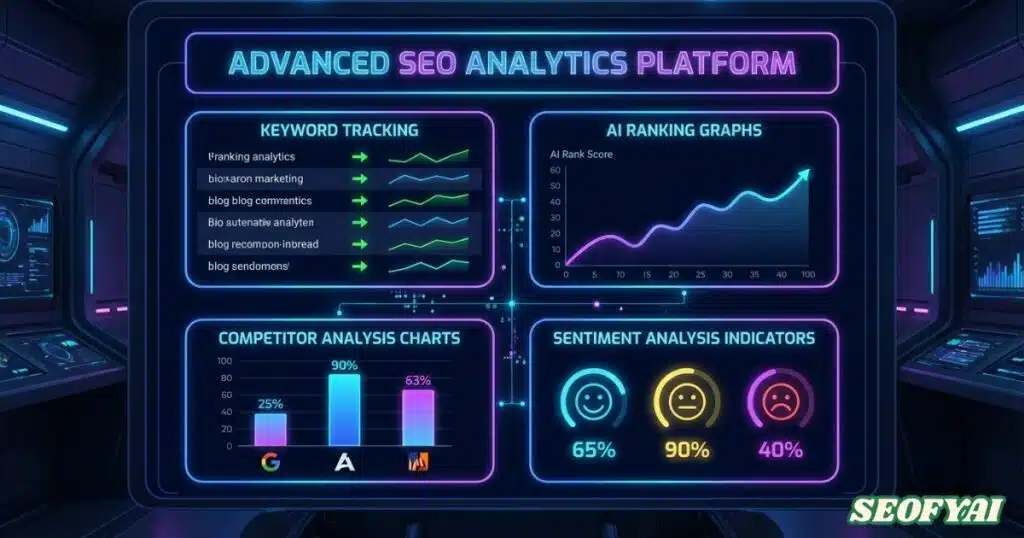
7 Best Claude SEO Rank Tracking Tools Compared
| Tool | Best for | Claude access | Starting price |
|---|---|---|---|
| Rankshift | All-round Claude tracking | Included in core product | From €69/month |
| AIclicks | Tracking plus fixes | Depends on chosen models | From $59/month |
| Profound | Enterprise programs | Enterprise tier | Custom pricing |
| Peec AI | Agencies, benchmarking | Enterprise tier | From about €85/month |
| AthenaHQ | Claude on every plan | Included on all plans | From about $295/month |
| Scrunch AI | Content teams, crawler data | Enterprise tier, verify first | From $250/month annually |
| Ahrefs Brand Radar | Existing Ahrefs teams | Included as add-on | About $199/month add-on |
Prices come from vendor pricing pages and independent tool comparisons checked in October 2026. Pricing in this category changes often, so confirm every figure before buying.
The 7 Tools in Detail
1. Rankshift
Rankshift is the most straightforward pick if Claude is the job: native Claude tracking in the core product, alongside ChatGPT, Gemini, Google AI Overviews and AI Mode, Copilot, Perplexity, Meta AI, and Mistral, captured from the real interface. It adds citation intelligence, sentiment analysis, historical tracking, and a prioritised Action Center. Credit-based pricing starts at €69 a month with unlimited seats — prompt volume drives the bill.
2. AIclicks
AIclicks tracks prompt visibility, citations, sentiment, and competitor share of voice, plus an agent recommending content updates and comparison pages. Pricing starts at $59 a month for 30 prompts with three models of your choice, rising to $189 and $499. The catch is model choice: Claude only helps if it is among the models on your tier.
3. Profound
Profound is the enterprise end of this list: at Enterprise tier it tracks up to nine engines, including Claude, ChatGPT, Perplexity, Google AI Overviews and AI Mode, Gemini, Copilot, Grok, and DeepSeek, and connects crawler activity to tools such as Cloudflare and Google Analytics. Its free trial covers only a small ChatGPT prompt set, so smaller teams cannot test Claude without a sales conversation.
4. Peec AI
Peec AI is built around competitor benchmarking — prompt visibility, citations, position, and sentiment — with multi-country tracking agencies find useful. Entry pricing is about €85 to €95 a month, but comparisons agree Claude sits on its custom-priced Enterprise tier: strong for agencies, a poor pick for a small team needing only Claude.
5. AthenaHQ
AthenaHQ is notable for the opposite reason: comparisons list Claude as included on all plans, not gated behind enterprise. It tracks seven engines and pairs tracking with automatic action on gaps, suiting a team wanting broad self-serve coverage without a contract. Pricing is about $295 a month, credit-based.
6. Scrunch AI
Scrunch AI combines prompt monitoring and citation tracking with page audits and bot traffic data, including ClaudeBot, GPTBot, and PerplexityBot crawl analytics. That crawler view is useful, but it is not answer visibility: several comparisons put Claude answer tracking on its custom Enterprise plan, while Core, from $250 a month billed annually, covers ChatGPT, Perplexity, Google AI Overviews, and Copilot. Verify in writing.
7. Ahrefs Brand Radar
Ahrefs Brand Radar is the sensible add-on for teams already using Ahrefs: it monitors AI-answer mentions using real prompts, with citation data linked to Ahrefs’ backlink and content data. Comparisons list Claude as included, with add-on pricing around $199 a month. It will not replace a dedicated tracker, but it is the cheapest credible Claude view for an existing Ahrefs team.
How to Run Your First Claude Tracking Check
- List 20 to 50 real buyer questions from sales calls, support tickets, and comparison searches, including branded, category, and “best X for Y” prompts.
- Run a baseline before changing anything, recording for each prompt whether Claude mentions you, cites you, cites a competitor, or ignores the category.
- Group prompts into clusters and judge the cluster trend, not single-day swings.
- Read the cited sources, not just your score. If comparison pages with pricing tables win the citations in your category, that format gap is your next piece of content.
For the classic keyword side of the same job, the site’s companion guide on ChatGPT rank trackers covers tracking tools in the same prompt-cluster style.
How to Improve Your Chances of Being Cited in Claude
No tracker can force Claude to recommend you. Put a direct answer first, use headings mirroring real questions, and add tables with verifiable facts. Build the formats that win citations in your category — comparison and pricing pages with exact figures, plus original data. Earn mentions on sources Claude already cites, then re-measure a month later.
An Illustrative Example, Labelled as Such
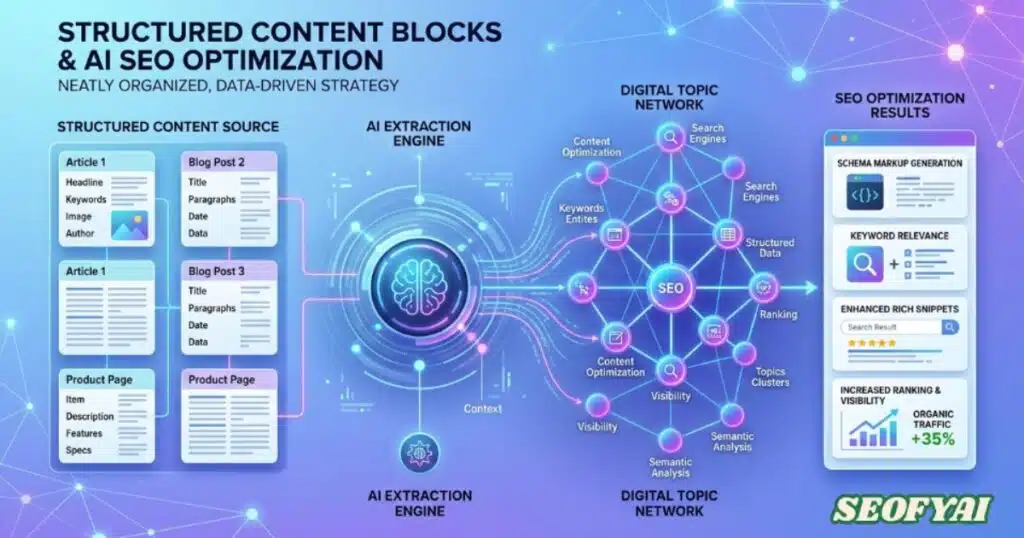
Illustrative, not a real client result. A small software team appears in only nine of forty tracked Claude answers; competitors dominate comparison prompts, whose winning citations are comparison pages with pricing tables — a format its site lacks. It publishes one, updates pricing pages, and earns a roundup mention. The cluster improves next month. Lesson: measure, read citations, fix the gap, re-measure.

Common Mistakes
- Buying on a logo list. “Tracks Claude” on a marketing page is not Claude on your plan. Confirm the tier.
- Judging one answer. Judge prompt clusters over weeks, not single days.
- Counting crawler visits as visibility. ClaudeBot visiting a page proves it was crawled, not recommended.
- Tracking keywords instead of questions. Buyers ask full questions; a keyword list misses the prompts that trigger recommendations.
- Fixing everything at once. Change one cluster, re-measure for a month, then move on.
Conclusion
Pick a tool above with Claude answer tracking on a tier you can buy, run a prompt-cluster baseline, fix one citation gap at a time, and judge progress over weeks.
Frequently Asked Questions
What are the best Claude SEO rank tracking tools for a small team?
Rankshift is most direct, with Claude in its core product from about €69 a month; AIclicks works if Claude is among your chosen models. Avoid enterprise-gated Claude unless that budget is realistic, and trial the same ten prompts first.
Can Claude track live keyword rankings by itself?
No. Claude does not track live keyword rankings or publish a ranking feed. You need a separate AI visibility tool that runs prompts through Claude on a schedule and records mentions, citations, and competitor appearances, then trends those results over time.
How is Claude SEO rank tracking different from Google rank tracking?
Google tracking records a position on a fixed list; Claude tracking records whether a brand is mentioned or cited inside a generated answer. Since Claude’s answers vary, trackers measure prompt inclusion, citation share, and share of voice across clusters, not single positions.
Why do some tools list Claude but not track it on my plan?
Vendors sell engine coverage by tier: a lower plan may cover ChatGPT and Perplexity only, while Claude requires a higher or enterprise plan. Confirm Claude answer tracking — not just ClaudeBot crawl data — is on your exact plan before checkout.
How long should I track before changing my content?
Run a two-to-four-week baseline, then re-measure for at least a month after each change. A single day misleads; a prompt cluster’s trend over weeks is the reliable signal.

Abdul Manan is a professional SEO content creator and AI-SEO strategist at seofyai.com. He specializes in helping businesses rank higher on Google through AI-powered, data-driven content optimization. Connect on LinkedIn or visit seofyai.com for expert SEO tips.